
01
Looking for relief
You’re dealing with pain, tightness, headaches, or slow recovery—and want to know if cupping might help.
- Back & neck pain
- Migraines & tension
- Muscle recovery
- Stress & respiratory support
What it is, how it works, and whether it might help with muscle tension, recovery, or relaxation—plus practical guidance if you decide to try it.
Free educational resource. Always consult a qualified clinician for personal medical advice.

Whether you’re curious about cupping or ready to book a session, pick the path that fits.
You’re dealing with pain, tightness, headaches, or slow recovery—and want to know if cupping might help.
You’ve heard of cupping and want a clear explanation—the tools, the marks, and what the therapy actually does.
You’ve decided to give cupping a go. Get practical guidance on first sessions, techniques, and safety.
Many people first hear about cupping therapy while looking for answers about stubborn muscle pain, desk-related neck tension, sports recovery, or recurring headaches.
Each condition guide covers common symptoms in plain language, how cupping is used for that issue, what research suggests, and when you should see a doctor instead.
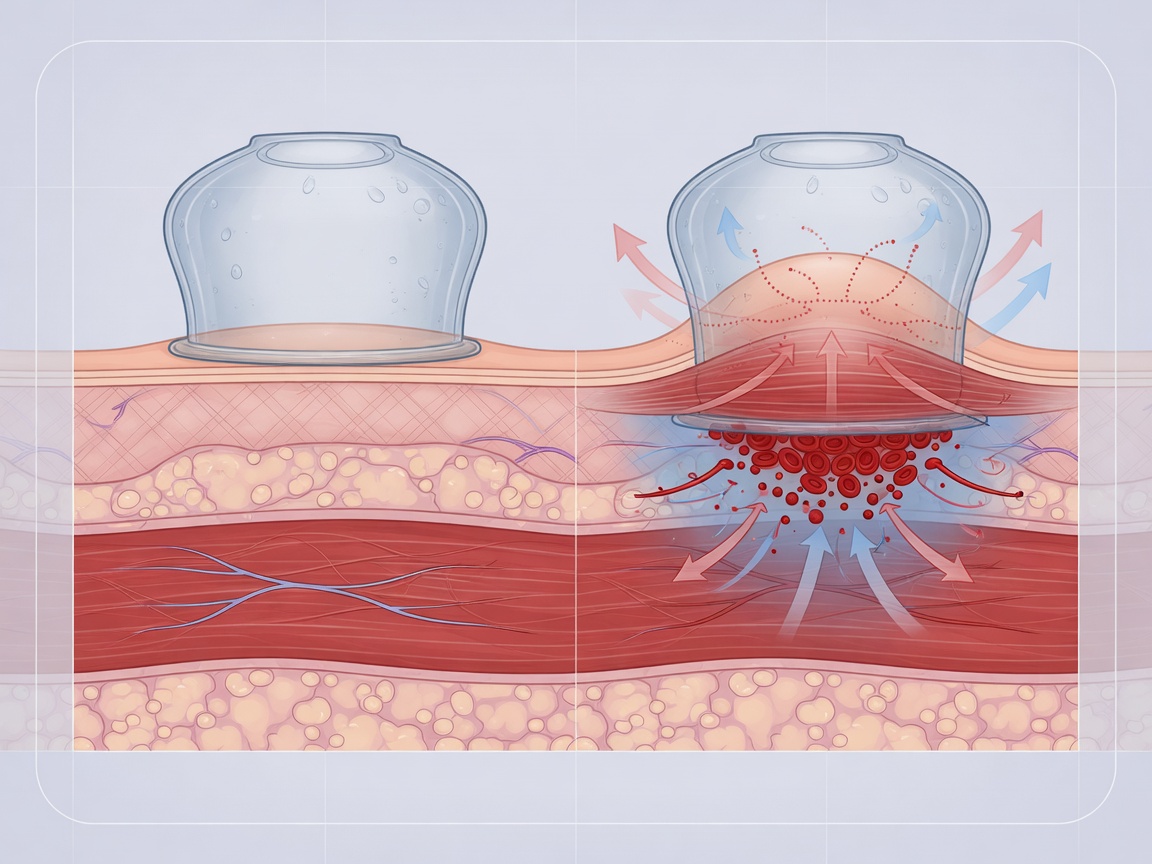
Find your conditionCupping places cups on the skin and creates suction. That negative pressure gently lifts tissue, which can increase local blood flow, ease tight fascia, and—according to traditional Chinese medicine—help move stagnant qi and blood.
We break down dry, fire, wet, and silicone methods so you can see which approaches exist and what sets them apart.
Not every technique suits every person or goal. Use these guides to match your comfort level and goals.

What happens in a session, how to prepare, how marks fade, and how to choose a practitioner.
Read the guide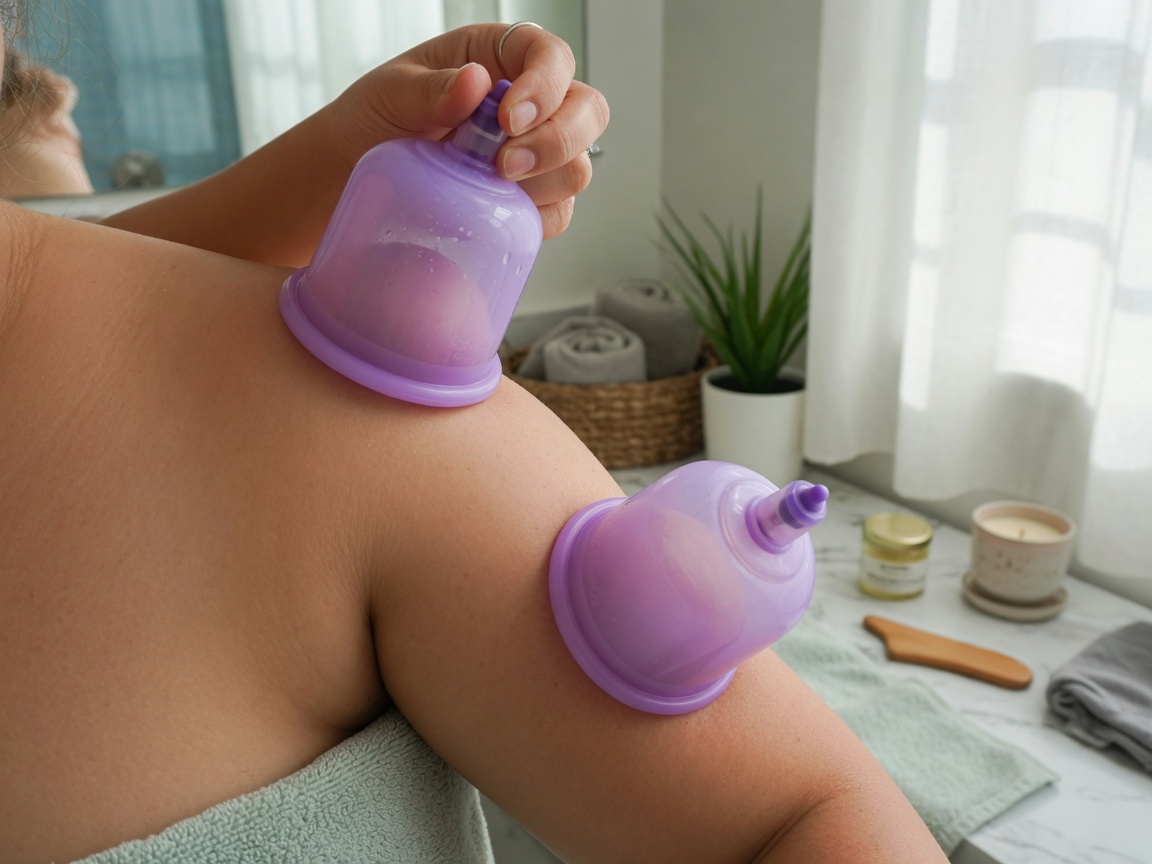
Fire cups, silicone sets, stationary vs sliding cupping—and which to use when.
Compare techniques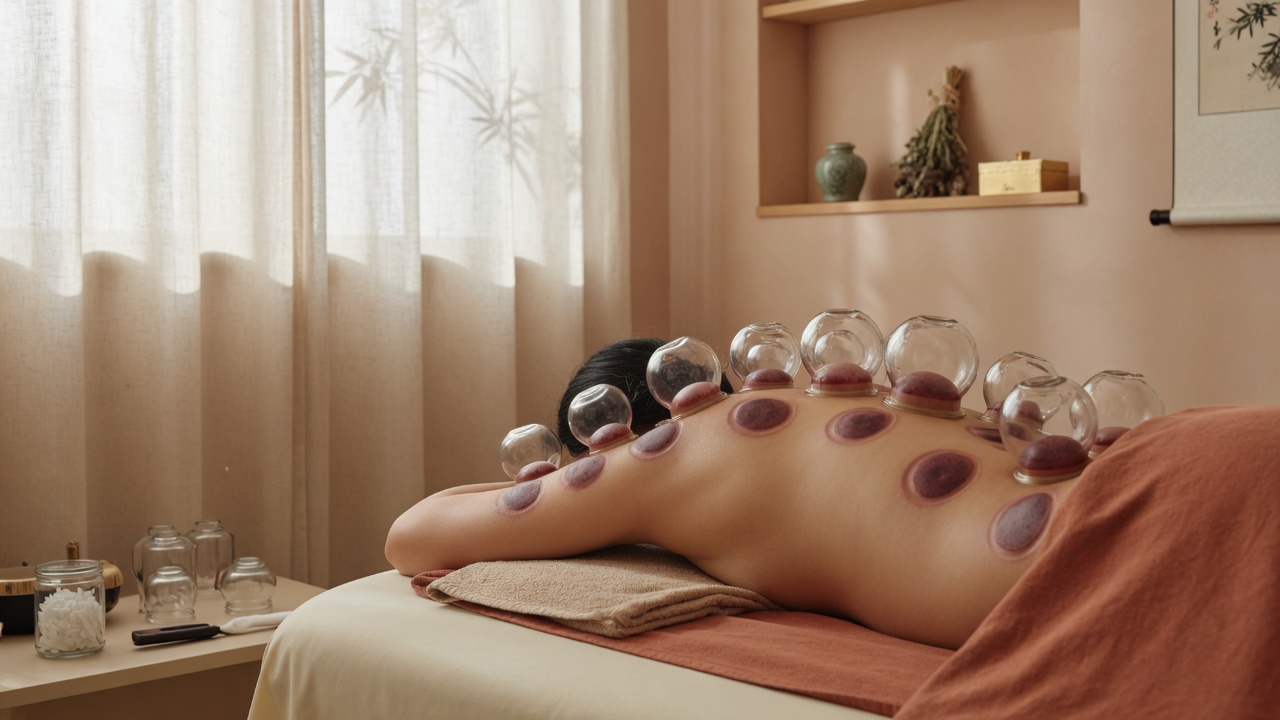
Who should avoid cupping, what’s normal, and how to care for your skin afterward.
Read safety tipsIf you’re new to cupping, start with the condition closest to what you’re feeling—or jump straight into how the therapy works.